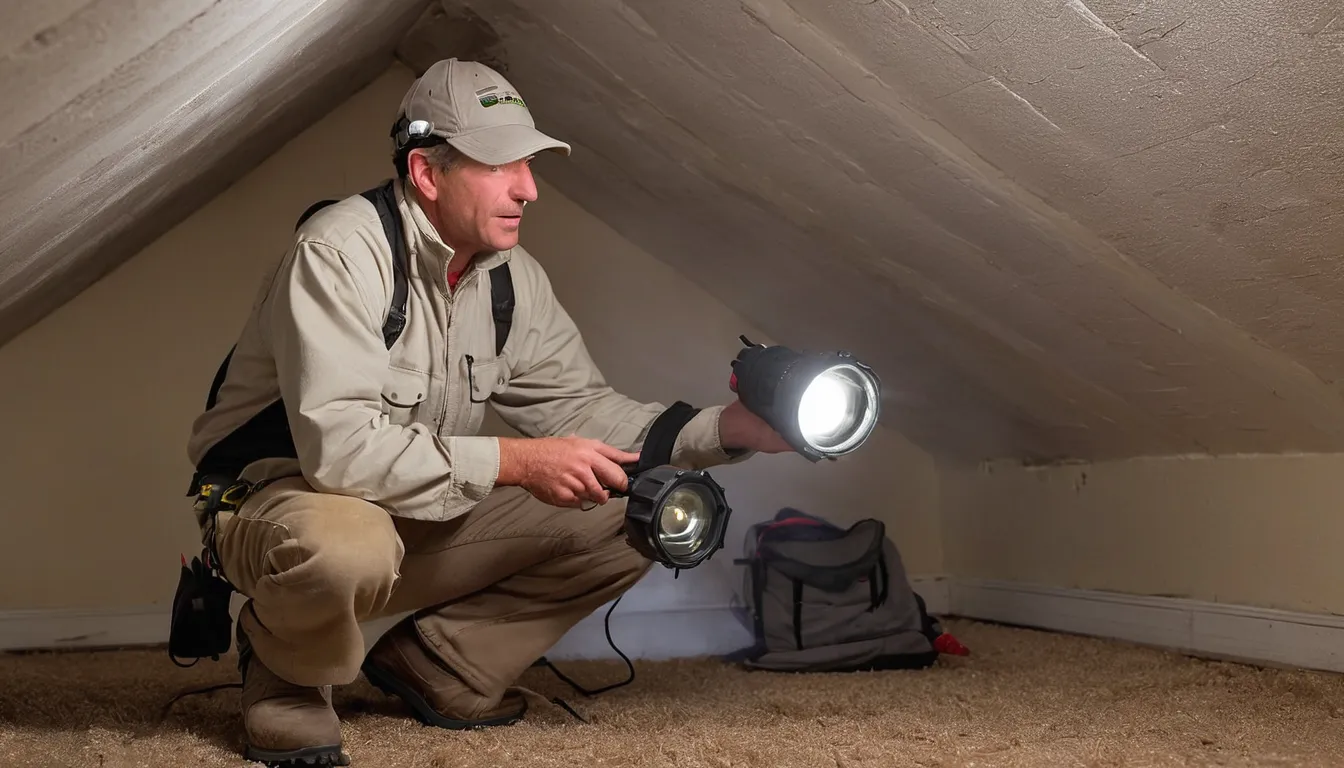
Hearing scratches in the wall at night? You may have mice, rats, squirrels, raccoons or bats. These animals chew wires, tear insulation and leave droppings. The longer they stay, the bigger the mess gets.
Darknesspocket Pest Control is a referral service. We do not do the work. We connect you with independent providers in our network who handle rodent and wildlife removal in Moreno Valley and the Moreno Valley area. A provider finds how the animal got in, removes it with proper care, and seals the gap. Older homes often hide odd gaps and worn spots, so a careful look matters. You can request an estimate with no obligation.
Noises in the Attic or Walls? Start Here
You hear something above the ceiling. Or behind the wall. Or under the floor. Do not guess. Find out what it is.
A local provider can look, name the animal, and tell you the plan. If you want an exterminator near me for rodents or wildlife, a provider in our network is a good place to begin.
Request a callback to check provider availability.
Why Waiting Costs You More
Rodents chew. Their front teeth never stop growing, so they gnaw all day to wear them down. They chew wood, pipes and wire. Chewed wire can be a fire risk.
Wildlife brings other trouble. A raccoon can rip up insulation. A mother squirrel or raccoon may have babies in the attic. Droppings and urine soak into materials and smell bad.
Acting early keeps the repair list short.
Signs You Have a Rodent or Wildlife Guest
Look for clues. You may not see the animal at all.
Sounds
Scratching, rolling, thumping or squeaking, often at dusk or at night. Heavy thumps point to bigger animals. Light scurrying points to mice or rats.
Marks and Droppings
Small dark pellets near walls, in cabinets or in the attic. Gnaw marks on wood. Greasy rub marks along baseboards. Torn insulation. Nests made of shredded paper or leaves.
Smells and Stains
A musty or sharp odor can mean urine. A strong rotten smell may mean an animal died inside a wall. Brown stains on a ceiling can point to a nesting spot above.
Animals Providers Commonly Handle
Providers in our network often deal with:
- House mice and roof rats
- Norway rats, which dig and nest low
- Squirrels in attics and eaves
- Raccoons and opossums under decks or in crawl spaces
- Bats in roof gaps
- Skunks that dig under porches
Each animal needs a different method. Ask the provider what they plan to use and why.
Why Older Homes Get More Visitors
Old house, new gaps. Over the years, wood shrinks. Stucco cracks. Vents rust. Past repairs leave small seams that no one remembers.
Many bungalows and 1950s to 1980s ranch homes have raised foundations with vent screens that wear thin. Attic vents and roof edges can loosen over time. A mouse needs only a gap the size of a dime.
Dry seasons push animals to look for water and shade. Winter rain pushes them to look for a warm, dry spot. Your house offers both.
How Rodent and Wildlife Removal Works
The steps vary by animal and by home. Most jobs follow this path.
Inspection
The provider checks the attic, crawl space, roof edge and outside walls. They look for entry holes and signs of traffic.
Removal
The provider uses traps, one-way doors or other tools suited to the animal. Babies get special care.
Sealing
Finding the hole is half the job. The provider closes it with metal, mesh or other tough material. Foam alone will not stop a chewing animal.
Want a plan in writing? Request an estimate.
Cleanup
Some jobs include removing droppings, cleaning surfaces and replacing soiled insulation. Ask if this is part of the quote or a separate step.
Humane Handling and Local Rules
Many places have rules about trapping, moving and handling wildlife. Some animals, such as certain bats, have legal protection, and there may be seasons when exclusion work must wait.
A good provider knows the local rules. Ask how they handle the animal and what happens to it. Plain answers are a good sign.
How to Choose a Removal Provider
A few simple questions help:
- Will you inspect the whole house, not just one spot?
- How will you handle the animal?
- Do you seal the entry points, and with what?
- Is cleanup included?
- Do you offer a written quote and any warranty in writing?
Plain words, written quotes. If a provider will not put it on paper, keep looking. Ask whether they hold the licenses your area requires.
Fix It, Then Protect
Removal is only step one. If the gap stays open, new animals come in.
After the job, ask for a short list of what was sealed. Check those spots each season. Some providers offer follow-up visits. Think of it as upkeep, like cleaning a gutter.
Request a callback to talk through your options with a provider.
Small Habits That Keep Animals Out
- Trim tree limbs that touch the roof.
- Store pet food and birdseed in tight bins.
- Keep trash lids shut.
- Clear woodpiles and clutter from the foundation.
- Check vent screens and weep screeds, the metal strips at the base of stucco, for gaps.
- Fix leaky pipes and hose bibs.
Small steps add up.
Ready to Get Answers?
Send a request and a provider can review your situation, explain the options and give you a written quote. There is no obligation.
What's Included
Full Home Inspection
A provider checks the attic, crawl space, roof edge and walls to find where animals get in.
Careful Removal
Traps or one-way doors suited to the animal, handled with local rules in mind.
Entry Point Sealing
Gaps get closed with tough materials so new animals cannot chew back in.
Droppings Cleanup
Many providers can clean affected areas and replace soiled insulation. Ask what your quote covers.
Typical Rodent and Wildlife Removal Costs
Prices vary by animal, home size and how hard the gaps are to reach. These are typical U.S. ranges, not quotes. Always get a written quote before work starts.
| Service | Typical range | Notes |
|---|---|---|
| Inspection | $75 – $300 | Sometimes applied to the job if you hire the provider |
| Mouse removal | $150 – $600 | Often needs follow-up visits |
| Rat removal | $300 – $1,000 | Depends on how many and how far they spread |
| Squirrel or raccoon removal | $300 – $1,200 | Higher if babies are present |
| Sealing entry points | $200 – $1,500 | Older homes may have more gaps |
| Attic cleanup and insulation | $1,000 – $5,000 | Large or heavily soiled attics cost more |
How It Works
Tell Us What You Hear
Describe the sounds, signs and where in the house you notice them. Details help match you with a provider.
Talk With a Provider
A local provider reviews your situation and explains the next steps in plain words.
Get the Home Checked
The provider inspects the house, names the animal and finds how it got in.
Remove, Seal and Protect
The animal is removed with care, gaps are sealed, and you get tips to keep it from returning.
Why Call Darknesspocket Pest Control
Plain Words, Written Quotes
Providers explain the plan in simple terms and put the price on paper.
Independent Local Providers
You connect with independent providers who know the homes and animals in your area.
Older Home Care
Worn materials and past repairs hide gaps, so we point you to careful inspections.
No Obligation
Ask questions and compare options. You decide whether to hire a provider.
Other Services
Need rodent & wildlife removal services in Moreno Valley?
Tell us what you see in your home. Request a callback to check provider availability, or send the request form. No obligation.
Rodent & Wildlife Removal Services FAQ
How do I know if I have mice or rats in my walls?
Listen for scratching or scurrying at night. Look for small dark droppings, gnaw marks and greasy rub lines along baseboards. Rats leave larger droppings than mice. A provider can inspect and confirm which animal it is.
Is it safe to clean up rodent droppings myself?
Be careful. Droppings can carry germs, and dry dust can be breathed in. Wear gloves and a mask, wet the area first and never sweep dry. Many providers offer cleanup, which may be safer for large amounts or attics.
Will a provider remove animals humanely?
Many providers use methods that follow local rules and treat animals with care, such as one-way doors for squirrels or bats. Practices vary, so ask how the provider handles the animal and what happens to it afterward.
Request a callback
Tell us what you see in your home. Request a callback to check provider availability, or send the request form. No obligation.
No obligation